A Modular Pong Application Built on a Reusable C++ Engine
Pong is a complete C++ game application built using Engine Interface and the SFML Engine Backend. Rather than implementing rendering, input, audio and resource management directly within the game, it consumes these systems through the reusable engine architecture.
Developed as the application layer of the wider project, Pong demonstrates how modular gameplay systems, artificial intelligence, collision handling and state-driven application flow can be composed above a backend-agnostic engine foundation.
The Engineering Problem
Although Pong is mechanically simple, a tightly coupled implementation can quickly combine gameplay rules, rendering, input, collision handling, scoring and application flow within the same classes.
The challenge was to create a complete game while preserving clear boundaries between reusable engine functionality and Pong-specific behaviour, ensuring that the application remained modular, maintainable and capable of supporting additional game modes and features.
My Role
I designed and implemented the complete Pong application, developing the gameplay objects, application states, scenes, collision behaviour, match systems and artificial intelligence that operate above the Engine Interface and SFML Engine Backend projects.
The project demonstrates the practical use of a layered engine architecture, with an emphasis on gameplay system design, separation of concerns, state-driven flow and reusable application components.
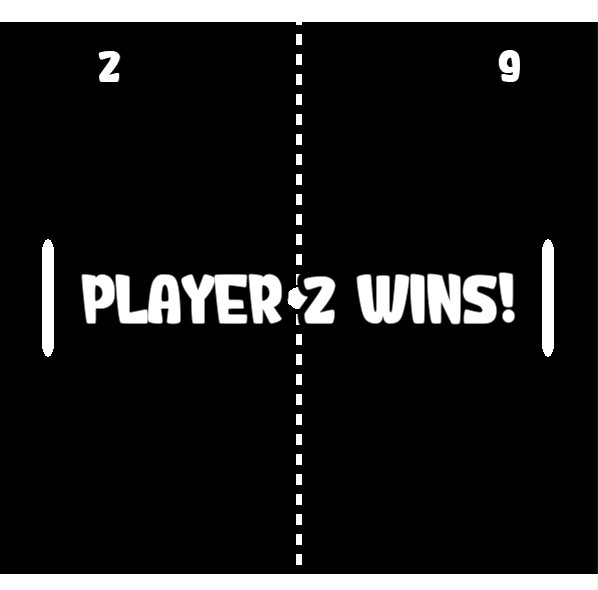
Gameplay Demonstration
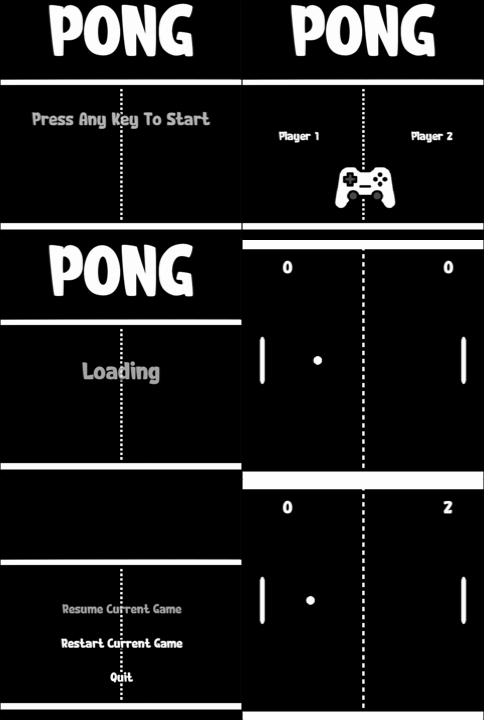
States Transitions
Demonstrates application states and scene flow
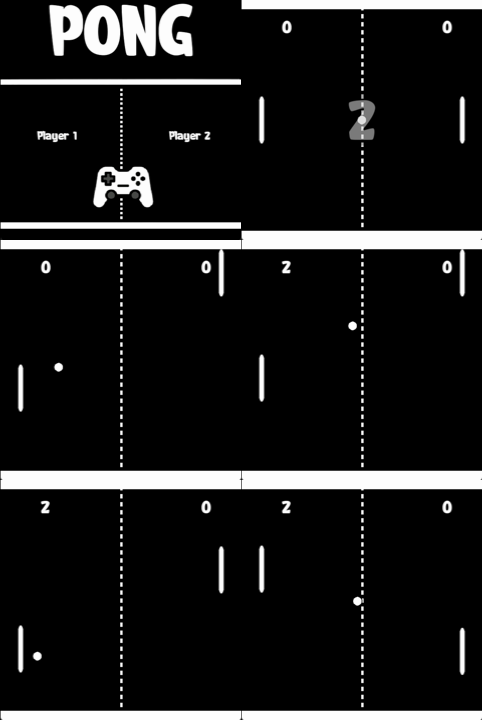
Human Vs. AI
Demonstrates AI, gameplay systems and collisions
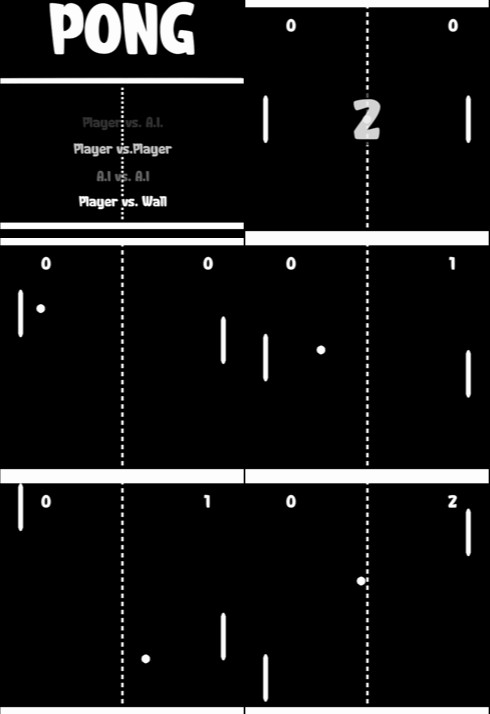
AI vs. AI
Demonstrates autonomous gameplay & decision logic
Architecture Overview
Pong forms the application layer of the wider architecture, using the services provided by the SFML Engine Backend through contracts defined by Engine Interface.
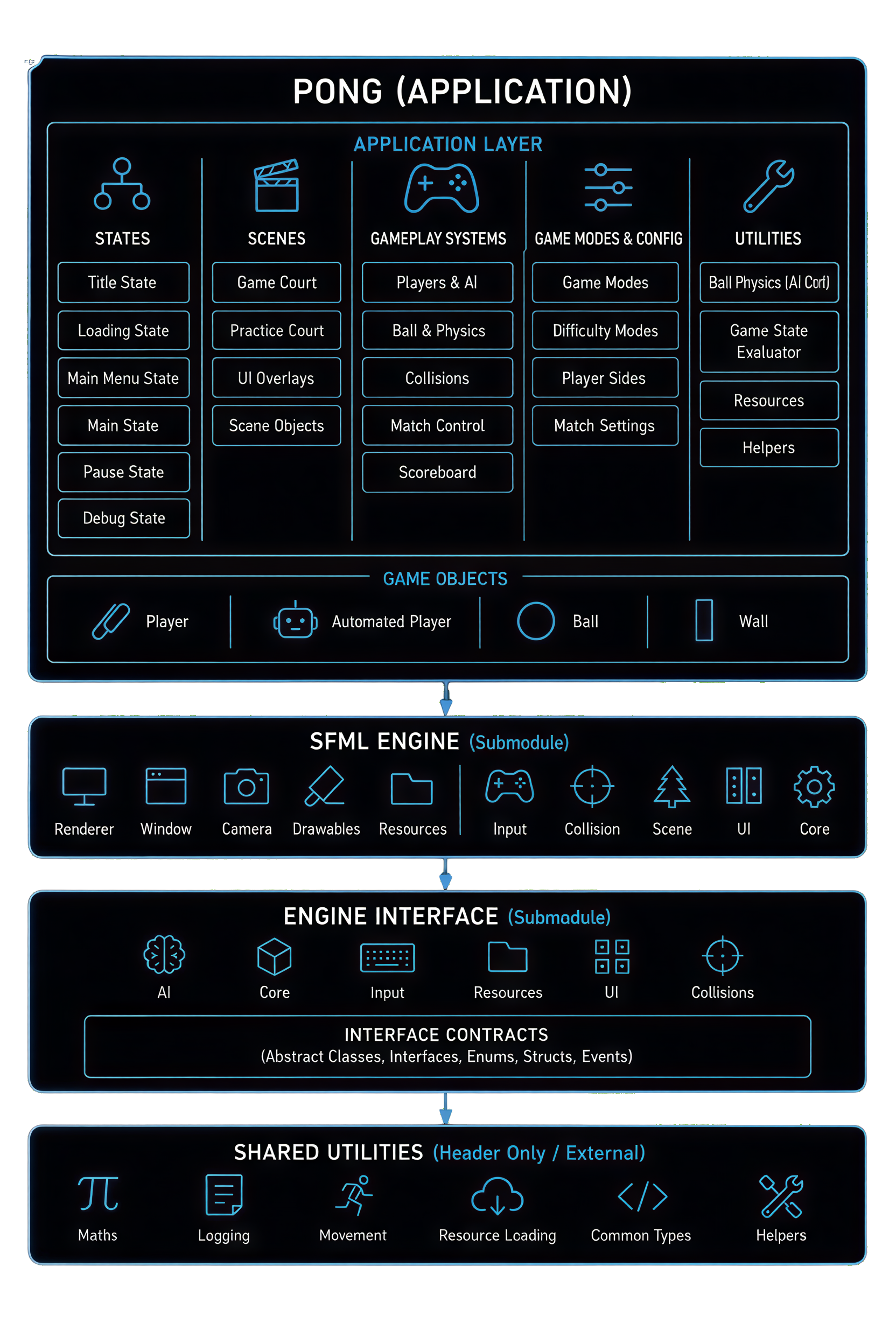
Each subsystem focuses on a specific gameplay responsibility. Application states manage the overall flow, scenes organise active game environments, and focused gameplay systems control physics, scoring, artificial intelligence and collision responses.
Core Gameplay Systems
The application is organised into three focused areas that combine reusable engine services with Pong-specific behaviour. Each area maintains clear ownership of its responsibilities while contributing to the complete gameplay experience.
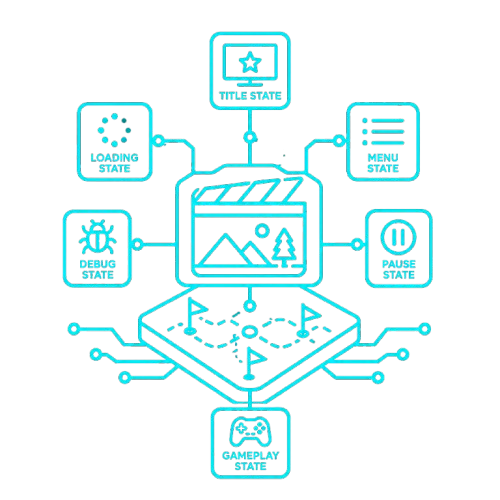
States & Scenes
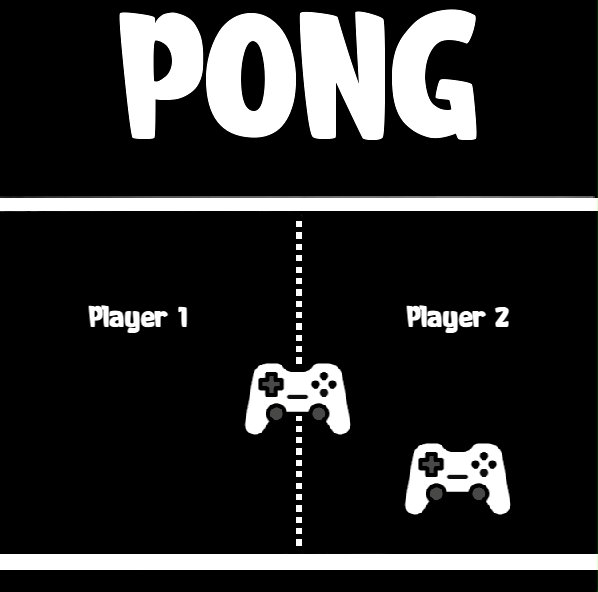
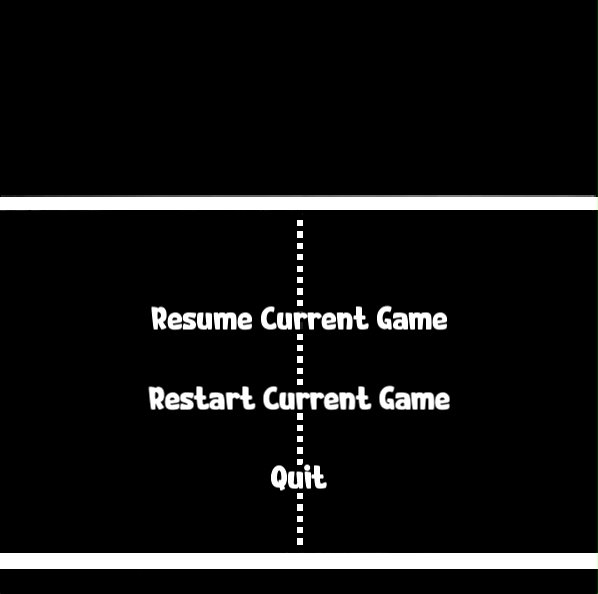
Controls the application lifecycle through dedicated title, loading, menu, gameplay, pause and debug states. Game and practice courts organise game objects, interface elements and match behaviour while remaining independent from the underlying framework loop.
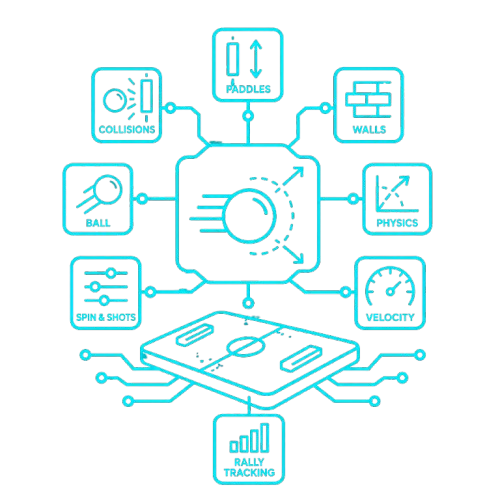
Gameplay & Physics
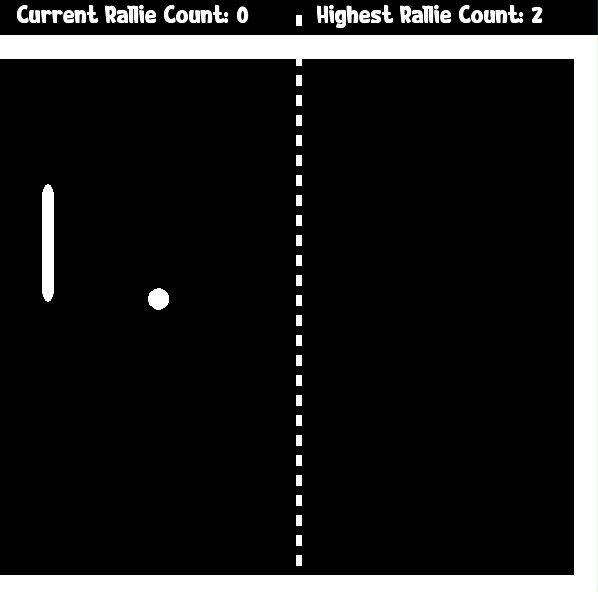
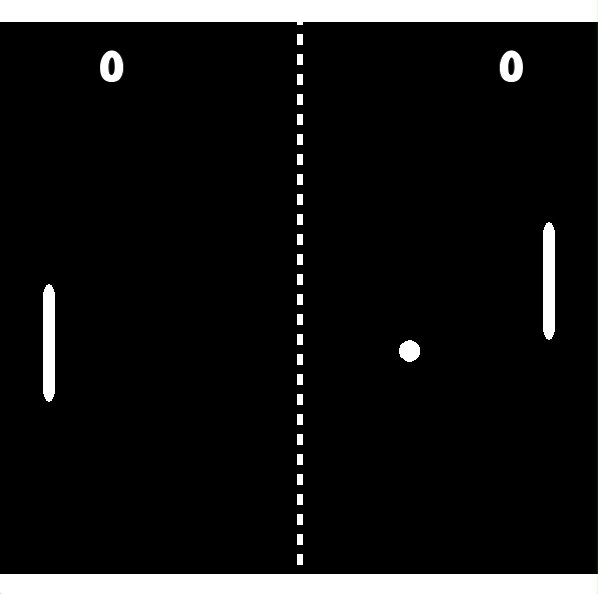
Implements paddles, balls, court walls, collision responses and configurable shot behaviour. Systems manage ball velocity, spin, rally progression and object interactions without embedding these responsibilities inside rendering or application-state code.
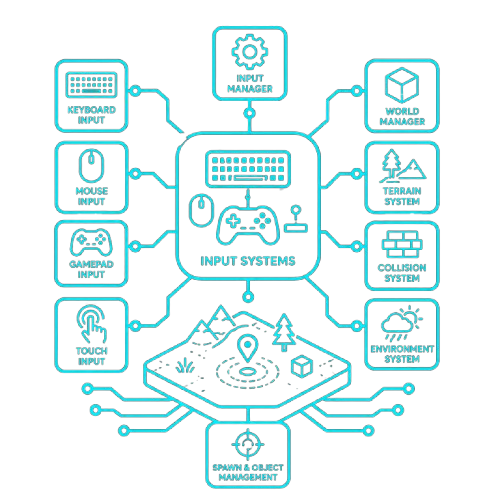
Input & World Systems
Implements automated players, trajectory prediction, difficulty configuration, strategy selection, scoring and match-state evaluation. These systems allow opponents to adapt their movement and shot choices according to ball behaviour and the current match situation.
Together, these systems create a complete game application while preserving the architectural separation between gameplay logic, reusable engine services and backend implementation.
Engineering Principles
| Principles | Application |
| Separation of Concerns | Application flow, gameplay rules, artificial intelligence, physics, collisions and rendering integration are divided into focused systems with distinct responsibilities. |
| Single Responsibility | Classes such as MatchCtrl, BallPhysics, PongCollisionManager and GameStateEvaluator each manage a specific area of game behaviour. |
| Dependency Inversion | Pong depends on reusable engine contracts rather than directly controlling SFML systems, reducing coupling between gameplay code and backend implementation. |
| Composition Over Monolithic Design | Gameplay behaviour is assembled from states, scenes, objects, controllers and utility systems instead of being concentrated within one central game class. |
| State-Driven Architecture | Title, loading, menu, gameplay, pause and debug behaviour are represented by independent application states with controlled transitions. |
| Reusable Behaviour | Human and automated players share common paddle behaviour, while reusable physics and match systems support multiple game modes. |
| Data-Driven Configuration | Difficulty settings and gameplay modes centralise behavioural values, allowing game balance to change without restructuring core systems. |
| Extensibility | The architecture supports additional courts, game modes, AI behaviours and gameplay features without requiring major changes to existing engine layers. |
| Clear Ownership | Each system owns the data and behaviour associated with its role, making interactions easier to understand, test and maintain. |
| Layered Architecture | Pong operates as the application layer above the SFML Engine Backend and Engine Interface, preserving clear boundaries between gameplay, engine services and backend technology. |
Key Design Decisions
Application-Level Separation
Pong-specific behaviour remains within the application project, while rendering, input, audio, resources and shared framework systems remain within the reusable engine layers.
State-Driven Application Flow
Title screens, loading, menus, gameplay, pausing and debugging are implemented as independent states, preventing unrelated application behaviour from accumulating inside a single game loop.
Focused Gameplay Components
Ball physics, match control, scoring, collision handling and artificial intelligence are implemented as dedicated systems with clearly defined responsibilities.
Shared Player Behaviour
Human-controlled and automated paddles build on the same player implementation, allowing both to participate consistently in movement, collision and ball-interaction systems.
Technologies
Development
C++ 20
Visual Studio 2022
Git
Git Submodules
Engineering Approach
Layered Architecture
Collision Management
Modular Gameplay Architecture
State-Driven Design
Scene Composition
Object Orientated Design
Artificial Intelligence
Layered Architecture
Weighted Behaviour Selection
Separation of Concerns
Decision Trees
Interface-Driven Development
Reusable Engine Integration
Engineering Outcome
Pong demonstrates how a complete game can be developed above a reusable and backend-agnostic C++ engine architecture. By keeping gameplay rules separate from framework and backend systems, the project supports clean application flow, focused gameplay components and future extension while validating the Engine Interface and SFML Engine Backend through a practical application.
Application Gallery
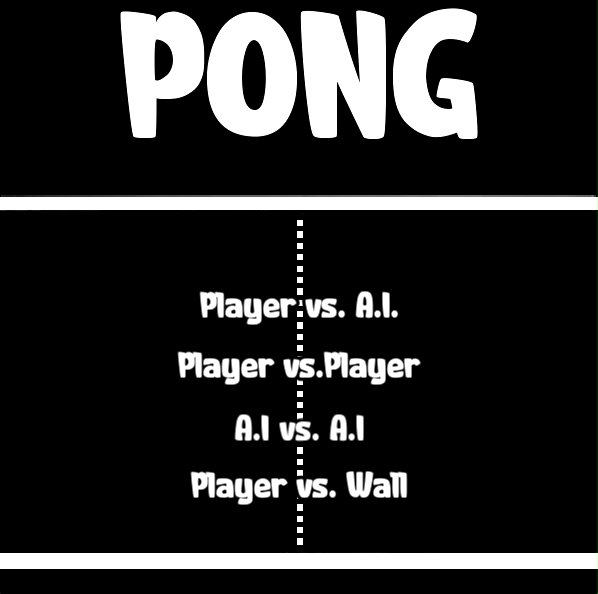
Repository
Explore the source code to see how the architectural principles are implemented throughout the framework.

Engineering Review
Read the accompanying architecture review for a detailed discussion of the design decisions, implementation strategy and engineering trade-offs behind the project.